Updated · Makeup guide by Leidy Vélez
How to Choose Your Foundation Shade and Undertone
Compare shades on your face, check the finish and choose foundation that blends with your skin without relying on the name on the bottle.
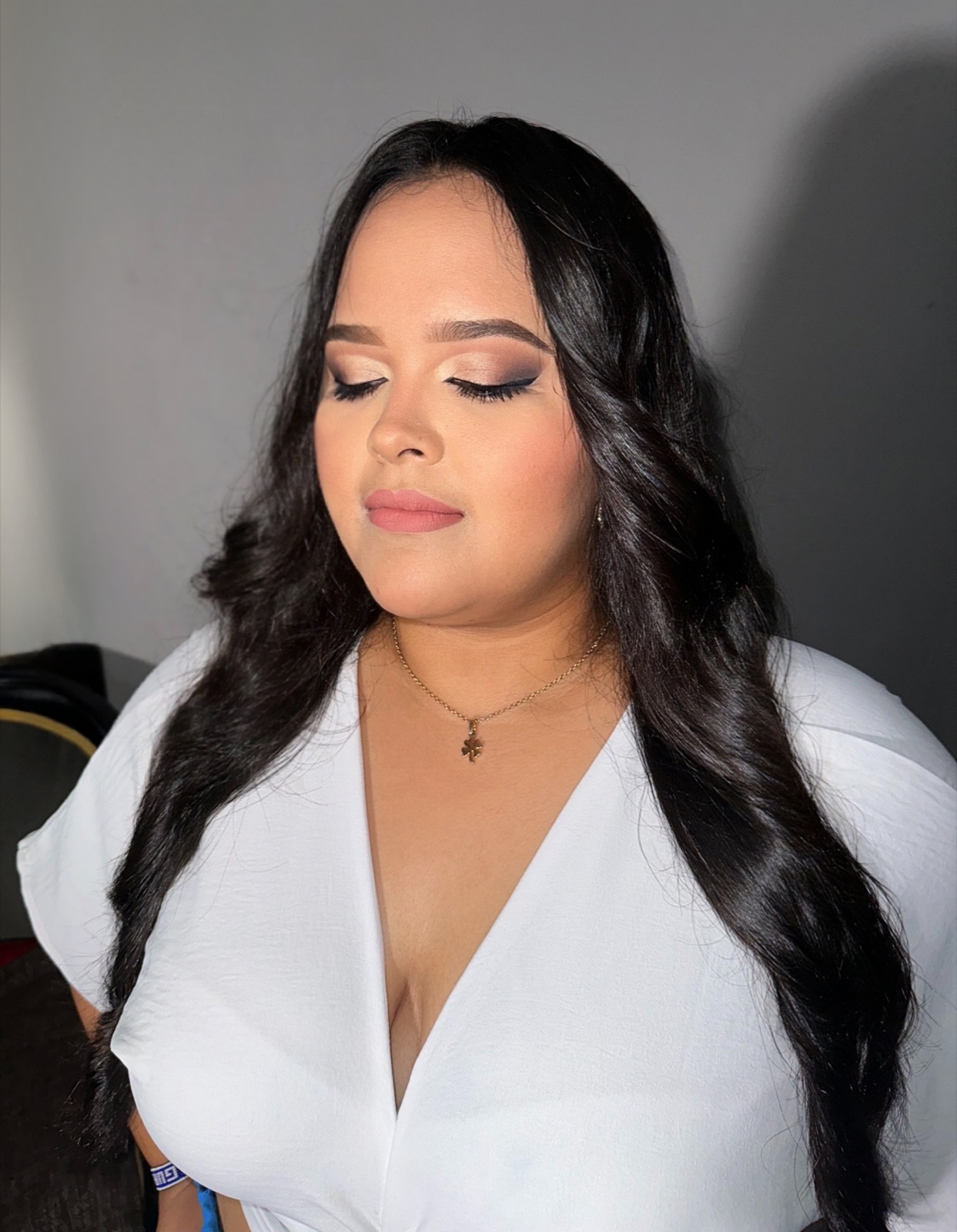
A foundation can give you the coverage you want and still look different from your neck. Before changing the formula, check the shade. Choosing it involves comparing both how light or deep the product is and the color it brings to your skin.
This guide helps you organize that comparison. You do not need to leave a shop with a perfect label for your undertone. The useful outcome is a shade that blends with your skin and a record of what you tried, so you can find it again.
Separate depth from undertone
Depth describes how light or dark a shade is. Undertone describes its hue: rosy, golden, neutral or olive, depending on the brand's categories. Two foundations with a similar depth can look different because of that hue. Compare a sample on your face rather than choosing from a hand photograph alone.
Compare a few shades along the jawline
Ask to try two or three close options. Check how they blend with the jawline, neck and neckline in natural daylight. Estée Lauder's shade finder uses those areas to assess a match and notes that the shade can differ between formulas, even within the same brand.
Choose the finish while wearing the sample
Once you have two reasonable color options, look at the finish you prefer. Do you enjoy more luminosity? Would you rather see a matte surface? Are you looking for coverage everywhere or just a little evening out in selected areas? Explain those preferences before deciding what to buy.
If a take-home sample is available, try it with your usual routine and the amount you would actually apply. Look at your whole face rather than a small patch. An unfiltered photograph can help you remember the result, but return to the mirror when making the final choice.
Write down the formula as well as the shade
Save the full product name and the shade you tried. A photograph of the label helps avoid confusing it with a similar bottle. If you do not buy it that day, note what you liked and what you would change: coverage, texture, finish or color.
When shopping online, check that the listing is for that same formula. Treat matching tools as a starting point and read the return policy before paying. If you are still deciding between two options, a sample or an in-person consultation may be more useful than choosing the most familiar shade name.
Bring a useful reference to your appointment
For a professional makeup appointment in Medellín, share the name of the foundation you use and explain how you feel about it. If you like the color but want lighter coverage for an event, that information helps separate the shade from the finish you would like to change.
A recent unfiltered photograph and a reference for your preferred look can also help. You do not need to buy a new foundation before the appointment. First ask what the service includes and what information the artist would like. Leave the shopping until you know what you need for your own routine.
Frequently asked questions
Are shade depth and undertone the same thing?
No. Here, depth means how light or deep the color is, while undertone describes its hue. It helps to consider both when comparing foundation.
Can I choose entirely from an online shade match?
A matching tool can narrow the options. Whenever possible, check how the chosen formula looks on your face before deciding.
Should I bring my own foundation to a makeup appointment?
Ask what the service includes. Sharing your usual product name and preferences can help, but there is no need to buy something new before speaking to the artist.
Rather have a professional do it?
Event makeup in Medellín →